
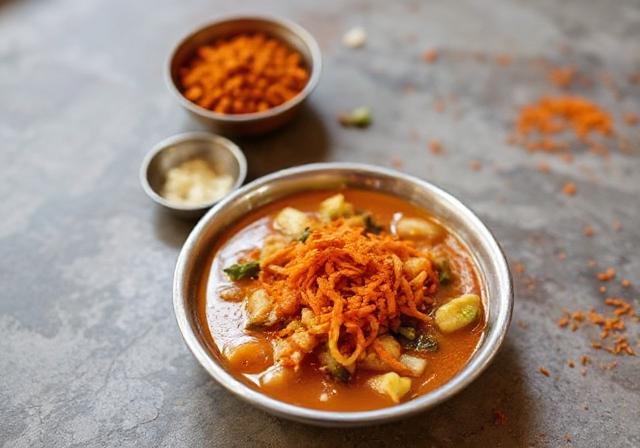
The Foodie’s Paradise Jaipur Tour Package ,Close your eyes and imagine this: the aroma of freshly fried kachoris wafting through narrow lanes, the sweet perfume of saffron-infused ghewar, the sizzle of spices hitting hot oil, and the inviting calls of street vendors announcing their specialties. Welcome to Jaipur, where every corner tells a delicious story and every meal is a celebration.
The Foodie’s Paradise Jaipur Tour Package , For food enthusiasts, Jaipur isn’t just another tourist destination—it’s a gastronomic pilgrimage. This city has preserved culinary traditions spanning centuries while embracing innovation and creativity. From royal recipes once served in maharaja palaces to humble street food perfected over generations, Jaipur offers a flavor spectrum that satisfies every palate and curiosity.
A food-focused tour package in Jaipur goes beyond restaurant recommendations. It’s an immersive experience that connects you with the people who cook, the stories behind dishes, the techniques passed through families, and the cultural contexts that make food meaningful. Ready to eat your way through the Pink City? Your taste buds are in for an unforgettable journey.

Why Jaipur is a Must-Visit for Food Lovers
Rich Culinary Heritage
Jaipur’s food scene isn’t a modern phenomenon—it’s the culmination of centuries of culinary evolution. The city’s royal kitchens employed master chefs who refined traditional recipes, experimented with ingredients, and created dishes worthy of maharaja tables. These royal influences elevated simple peasant foods into sophisticated cuisine.
But Jaipur’s culinary heritage extends beyond palace walls. Village communities developed their own traditions adapted to desert conditions—preservation techniques, water-efficient cooking methods, and creative uses of locally available ingredients. The merger of royal refinement and folk ingenuity created a cuisine that’s both elegant and earthy.
This heritage remains alive today. Many restaurants serve recipes passed down through generations. Street vendors follow techniques their grandfathers taught them. Home cooks maintain family traditions while adapting to modern conveniences. When you eat in Jaipur, you’re not just consuming food—you’re tasting living history.
Diversity of Flavors and Dishes
What makes a destination a true food lover’s paradise? Variety. Jaipur delivers spectacularly. The cuisine ranges from intensely spicy to delicately sweet, from rich and creamy to light and tangy. You’ll find foods suitable for every meal, every mood, and every dietary preference.
The city caters to vegetarians exceptionally well—hardly surprising given that many Rajasthani communities traditionally avoid meat. But meat lovers aren’t forgotten, with preparations like laal maas and jungli maas offering robust, spicy satisfaction. Sweet lovers face almost overwhelming choices with dozens of dessert varieties.
Regional variations add another dimension. Dishes prepared in Jaipur differ subtly from those in other Rajasthani cities, with local preferences for spice levels, sweetness, and preparation methods creating a distinctly Jaipuri culinary identity.
What Makes a Food-Focused Tour Package Special?
Expert Local Guides and Food Historians
Anyone can follow a restaurant list, but transforming meals into meaningful experiences requires expertise. Food-focused tour packages employ guides who understand not just where to eat but why dishes matter. They explain historical contexts, preparation techniques, cultural significance, and regional variations.
These guides know the stories—which sweet shop has served the royal family for generations, which street vendor’s grandfather invented a particular recipe, which restaurant maintains authentic royal kitchens from centuries past. They share anecdotes that transform eating from consumption to storytelling.
Food historians on specialized tours might discuss how trade routes influenced Jaipur’s cuisine, how desert conditions shaped cooking techniques, or how royal patronage elevated certain dishes. This intellectual context enhances sensory pleasure, engaging mind and palate simultaneously.
Access to Hidden Culinary Gems
Tourists eating independently often stick to visible, accessible restaurants mentioned in guidebooks. Food tour packages unlock hidden treasures—tiny shops tucked in residential neighborhoods, home kitchens where grandmothers cook traditional recipes, street stalls known only to locals, and establishments that don’t advertise but survive on word-of-mouth reputation.
These hidden gems often serve the most authentic, delicious food. A nameless corner shop might make the city’s best samosas. A vendor operating from a cart could offer pyaaz kachori that puts restaurant versions to shame. A home cook might prepare dishes exactly as they’ve been made for centuries.
Tour packages with strong local connections provide access impossible for independent travelers. Guides have relationships with vendors, chefs, and home cooks who welcome tour groups as guests rather than just customers, creating intimate experiences that reveal food’s social and personal dimensions.
Iconic Rajasthani Dishes You Must Try
Dal Baati Churma – The Soul of Rajasthan
If one dish represents Rajasthani cuisine, it’s dal baati churma. This trinity combines five-lentil dal, baked wheat balls (baati), and sweetened crushed wheat (churma). The combination provides complete nutrition—proteins from lentils, carbohydrates from wheat, fats from ghee, and balance between savory and sweet.
The preparation reflects desert ingenuity. Baati were traditionally baked in dung fires or sand, methods requiring no water. They store well, important for communities that traveled frequently. The generous ghee application, while rich, provides calories necessary for harsh climate survival.
Eating dal baati churma properly involves ritual—crushing the baati, drowning pieces in dal, alternating with churma bites. The textures contrast beautifully—crispy baati exterior, soft interior, smooth dal, grainy-sweet churma. Every element complements the others.
Food tours often include dal baati churma at traditional restaurants or home-cooked versions where you can observe preparation. Understanding the effort involved—kneading dough, slow-baking baati, tempering dal with specific spice sequences—deepens appreciation for this humble yet sophisticated dish.
Laal Maas – The Fiery Red Curry
For those who appreciate heat, laal maas delivers. This fiery red meat curry gets its color and punch from mathania chilies, a variety grown near Jodhpur but beloved throughout Rajasthan. The name literally means “red meat,” and the dish doesn’t disappoint—intensely spiced, rich with yogurt and ghee, and traditionally prepared with mutton.
Laal maas represents Rajasthan’s warrior heritage. The Rajput warriors needed hearty, energizing food, and this dish provided protein, calories, and warming spices perfect for desert nights. The preparation method—slow cooking to tenderize meat and meld flavors—creates depth that quick cooking cannot achieve.
Modern versions sometimes reduce spice levels for sensitive palates, but authentic laal maas tests heat tolerance. The best preparations balance fire with flavor—you should taste the meat and spices, not just burn. Accompaniments like bajre ki roti (millet bread) or rice provide cooling contrast.
Food tours visiting restaurants specializing in non-vegetarian Rajasthani cuisine ensure you experience proper laal maas. Guides explain spice varieties, cooking techniques, and how to manage the heat while appreciating complex flavors underneath.
Gatte Ki Sabzi – The Gram Flour Delight
Gatte ki sabzi demonstrates Rajasthani culinary creativity. This vegetarian dish features gram flour (besan) dumplings cooked in spiced yogurt gravy. In a region where fresh vegetables weren’t always available, gram flour provided protein and versatility, transforming into satisfying curries.
The preparation requires skill—mixing gram flour with spices and water to right consistency, shaping into cylinders, boiling until cooked through, then slicing and adding to gravy. The gatte should be tender but not mushy, flavorful but not overwhelming the gravy.
Variations exist—meethe gatte include sugar for sweet-savory contrast, khatta gatte feature tangy yogurt prominently, and some versions add vegetables or different spice blends. Each family often has its own recipe with subtle variations.
Cooking classes focusing on Rajasthani vegetarian cuisine typically include gatte ki sabzi, allowing you to learn the technique. The hands-on experience reveals why seemingly simple dishes require practice to perfect.
Ker Sangri – Desert Delicacy
Ker sangri showcases how desert communities utilized available resources creatively. Ker are small wild berries and sangri are beans from indigenous desert plants. Both are dried for preservation and cooked together with spices into a tangy, flavorful dish unlike anything else.
The distinctive sour-tangy flavor takes adjustment for first-timers, but it grows addictive. The texture combines chewiness from dried ingredients with gravy smoothness. Traditionally considered medicinal as well as nutritious, ker sangri represents desert survival wisdom transformed into culinary tradition.
Finding authentic ker sangri requires knowing where to look—not every restaurant serves it. Food tours focusing on traditional Rajasthani cuisine ensure exposure to this unique dish, often with explanations of the plants, harvesting methods, and cultural significance.
Street Food Adventures in Jaipur
Pyaaz Kachori and Mirchi Vada
Jaipur’s streets pulse with food energy, and two items dominate—pyaaz kachori and mirchi vada. Pyaaz kachori, a fried pastry stuffed with spiced onion filling, achieves the holy trinity of street food: crispy exterior, flavorful filling, and affordable price. Breaking open a fresh kachori releases steam and aroma that makes mouths water.
The best kachori vendors achieve crispiness through technique—dough consistency, oil temperature, and frying duration must align perfectly. The onion filling, cooked with spices before stuffing, should be flavorful without being overpowering. Chutneys served alongside add sweet, sour, and spicy dimensions.
Mirchi vada features large green chilies stuffed with spiced potato filling, dipped in gram flour batter, and deep-fried. The chili provides mild heat (vendors remove seeds for less spice), while the filling offers comfort. The batter creates crunchy coating contrasting with soft interior.
Street food tours visit legendary kachori and vada spots where vendors have perfected recipes over decades. You’ll learn to identify quality—the right crispness, proper spicing, fresh oil—and understand why locals prefer particular vendors.
Samosas and Chaats
While samosas are pan-Indian, Jaipur’s versions hold their own. The triangular pastries, filled with spiced potatoes and peas, achieve ideal ratio of filling to pastry. Served with tamarind and mint chutneys, they’re perfect afternoon snacks.
Chaat—a category of savory snacks combining various ingredients with chutneys, yogurt, and spices—offers endless variety. Aloo tikki chaat features fried potato patties topped with chickpeas, chutneys, yogurt, and crunchy sev. Papdi chaat layers crispy wafers with similar toppings. Dahi vada features lentil dumplings in seasoned yogurt.
The joy of chaat lies in textural and flavor contrasts—crispy and soft, sweet and tangy, cool and spicy, all combining in each bite. Vendors assemble chaat with theatrical flourishes, tossing ingredients, drizzling chutneys, and garnishing with precision.
Food tours through markets like MI Road or near Hawa Mahal include chaat stops at vendors with the best reputations. Watching preparation is entertainment; eating is revelation.
The Famous Lassi Spots
Rajasthan’s climate demands hydration, and lassi—yogurt-based drink—provides refreshing solution. Jaipur’s lassi comes in numerous varieties: plain sweet or salted, flavored with mango or rose, topped with thick cream (malai), or enriched with dry fruits.
The texture distinguishes great lassi from ordinary—it should be thick, smooth, and creamy, not watery or lumpy. The yogurt’s quality matters enormously. The best lassi shops use fresh, full-fat yogurt churned to achieve proper consistency.
Lassiwala near MI Road has achieved legendary status, operating since 1944 and serving only one item—their signature lassi topped with cream. The shop’s simplicity and consistency have made it a Jaipur institution. Other shops offer variety, but purists appreciate Lassiwala’s focused excellence.
Food tours include lassi breaks—necessary refreshment after spicy street food and an experience unto themselves. The cooling effect of lassi provides relief while adding another flavor dimension to your culinary journey.
Sweet Indulgences of the Pink City
Ghewar – The Honeycomb Dessert
Ghewar, Jaipur’s most iconic sweet, looks like edible lace—a disc of honeycomb-structured fried batter soaked in sugar syrup. The intricate pattern isn’t just beautiful; it allows maximum syrup absorption while maintaining structure. Topped with rabri (condensed milk), dry fruits, or silver leaf, ghewar becomes celebratory centerpiece.
Making ghewar requires exceptional skill. The batter consistency and pouring technique create the honeycomb structure—too thick produces dense results, too thin creates fragile sweets. The frying temperature must remain constant. The syrup concentration affects final texture and sweetness level.
Traditional ghewar appears during monsoon season and festivals like Teej and Raksha Bandhan. Different sizes accommodate different occasions—small individual portions or massive festival ghewars requiring platters for serving.
Sweet shop tours include ghewar specialists who explain preparation and might allow observation. Tasting fresh ghewar, still warm from preparation, reveals why this labor-intensive sweet commands premium prices and loyal followings.
Mawa Kachori – Sweet Breakfast Delight
Imagine kachori’s savory concept transformed into dessert—that’s mawa kachori. The fried pastry shell contains sweet filling of mawa (reduced milk), dry fruits, and cardamom. After frying, the entire kachori is dipped in sugar syrup, creating a sweet that’s crispy, creamy, and intensely satisfying.
Mawa kachori appears prominently at breakfast, paired with hot milk or tea. The combination of fried pastry, creamy filling, and sweet syrup provides serious caloric energy to start the day—practical in a region where physical labor in hot conditions requires substantial fuel.
Rawat Mishthan Bhandar near Railway Station is famous for mawa kachori, with locals queuing early morning for fresh batches. The shop’s version balances sweetness and texture perfectly, neither too dry nor too soggy, with filling that’s creamy without being cloying.
Food tours timed for morning include breakfast stops where mawa kachori accompanies other sweets and chai, creating a thoroughly indulgent start to food exploration.
Imarti and Jalebi
Jalebi needs no introduction—the bright orange spiral sweet soaked in syrup is beloved across India. But Jaipur also offers imarti, jalebi’s more refined cousin. Made from urad dal batter instead of wheat flour, imarti features intricate flower-like patterns and deeper flavor complexity.
Both sweets require skill in preparation. The batter must achieve right consistency for piping into hot oil. The frying temperature affects texture and color. The sugar syrup’s concentration determines final sweetness and moisture level. Master sweet makers create sweets that are crispy outside, juicy inside, and properly sweet without being overwhelming.
The best jalebi and imarti are consumed fresh, preferably still warm. The texture difference between fresh and hours-old sweets is dramatic—fresh ones offer crispy exteriors giving way to syrupy interiors, while older versions become uniformly soft and soggy.
Morning food tours often begin at sweet shops where fresh batches are being prepared, allowing you to taste these sweets at peak perfection while observing the rapid, skilled preparation process.
Historic Eateries and Legendary Food Establishments
Rawat Mishthan Bhandar
Since 1944, Rawat has served Jaipuris their beloved mawa kachori and other sweets. This unassuming shop near the railway station has become a pilgrimage site for food lovers. The focus remains narrow—they do a few things exceptionally well rather than offering extensive variety.
What makes Rawat legendary? Consistency. Generations of the same family maintain quality standards. The mawa kachori tastes the same whether you visit at 7 AM or noon, whether it’s summer or winter. This reliability builds trust and loyalty.
The shop’s location near the station means travelers grab sweets before departing, spreading Rawat’s reputation across India. The simple presentation—sweets displayed in glass cases, minimal seating, efficient service—emphasizes product over ambiance.
Food tours always include Rawat, where guides provide context about the shop’s history and significance in Jaipur’s food culture. Tasting the mawa kachori that generations of Jaipuris have loved creates connection to local food traditions.
Laxmi Mishthan Bhandar (LMB)
LMB represents a different approach—a massive operation serving full meals, chaats, and extensive sweet varieties in a bustling restaurant environment. Established in 1954, LMB has expanded from small sweet shop to multi-floor restaurant serving thousands daily while maintaining quality.
The menu spans Rajasthani cuisine comprehensively—thalis with numerous dishes, individual specialties, street foods served in restaurant setting, and legendary sweets including their famous ghewar. The restaurant’s scale allows consistency through systematized preparation while maintaining traditional recipes.
LMB’s location in Johari Bazaar makes it convenient for tourists and locals alike. The dining hall’s atmosphere—constantly busy, servers weaving between tables, the clatter of steel thalis—creates energy that adds to the experience.
Food tours often include lunch at LMB to experience comprehensive Rajasthani thali and observe how a successful traditional restaurant operates at scale while maintaining authenticity.
Chokhi Dhani – Traditional Village Experience
Chokhi Dhani isn’t just a restaurant—it’s an entire Rajasthani village recreation offering food, entertainment, and cultural experiences. Located on Jaipur’s outskirts, this resort-like establishment serves unlimited traditional Rajasthani food in village setting with folk performances, camel rides, and artisan demonstrations.
The food, served traditionally on the floor or low seating, includes multiple Rajasthani dishes brought in waves. Servers encourage you to keep eating, refilling plates repeatedly. The unlimited format allows extensive sampling of dishes you might not order individually.
Critics argue Chokhi Dhani is touristy and staged, and they’re not wrong. But it serves a purpose—for travelers with limited time, it concentrates multiple Rajasthani cultural experiences into one evening. The food quality, while catering to tourists with moderated spice levels, remains respectable.
Food tour packages often include Chokhi Dhani as evening experience, combining dinner with entertainment and cultural exposure. It’s particularly popular with families and first-time visitors to Rajasthan.
Cooking Classes and Culinary Workshops
The ultimate food experience isn’t just eating but learning to cook. Jaipur offers numerous cooking classes ranging from professional instruction in commercial settings to intimate sessions in home kitchens.
Home-based cooking classes provide the most authentic experiences. You’ll visit markets with your host to purchase fresh ingredients, learning about produce selection and bargaining. Back in their kitchen, you’ll prepare multiple dishes—perhaps dal baati churma, gatte ki sabzi, and a sweet—using traditional techniques.
These classes reveal cooking’s complexity. That seemingly simple dal involves specific tempering sequences. The baati requires proper dough hydration and baking technique. Each step matters, and experienced cooks work with intuition developed over years.
Professional cooking schools offer more structured instruction with printed recipes, precise measurements, and systematic teaching. While less intimate, they provide thorough technical education and often include culinary history and nutritional information.
Food tour packages increasingly include cooking classes, recognizing that participation creates deeper understanding than observation. You’ll leave with recipes, techniques, and ability to recreate Rajasthani dishes at home, extending your food journey beyond your trip.
Market Tours and Ingredient Exploration
Spice Markets of Jaipur
Jaipur’s spice markets assault senses in the best way—vivid colors of turmeric, chili powder, and spice blends; pungent aromas of cumin, coriander, and fenugreek; the tactile experience of running fingers through different grains and powders. These markets aren’t tourist attractions but working wholesale centers supplying restaurants and households.
Guided spice market tours explain each spice’s uses, both culinary and medicinal. You’ll learn how Rajasthani cuisine employs spice combinations, why certain spices appear in specific dishes, and how roasting and grinding affect flavors. Vendors demonstrate differences between quality grades and explain storage methods.
Many tours include spice purchasing opportunities. Buying directly from spice markets ensures freshness and authenticity while supporting local businesses. Guides help navigate pricing, quantities, and quality assessment, ensuring you don’t overpay or receive inferior products.
Understanding spices deepens appreciation for dishes you eat. When you’ve smelled whole spices and learned their individual characteristics, you can identify them in complex dishes, appreciating the layering of flavors that creates Rajasthani cuisine.
Understanding Local Produce
Vegetable and fruit markets reveal seasonal rhythms and regional preferences. You’ll see familiar produce alongside items unique to the region—sangri beans, ker berries, local greens, and desert-adapted vegetables. Understanding what’s locally grown versus imported, what’s seasonal versus year-round, provides context for menu variations.
Market tours often occur early morning when markets are most active. You’ll observe transaction patterns—how vendors arrange displays, how customers select produce, the bargaining process, and social interactions that make markets community centers beyond mere commerce.
Some tours include interactions with specific vendors who explain their produce—which farm it came from, how to select quality specimens, preparation recommendations, and nutritional properties. These conversations transform shopping from transaction to education.
Fine Dining with a Royal Touch
Jaipur’s heritage hotels offer fine dining experiences featuring royal recipes in palatial settings. Restaurants like Suvarna Mahal at Rambagh Palace, Baradari at City Palace, and 1135 AD at Amer Fort combine exceptional food with extraordinary ambiance.
Royal cuisine represents refined versions of traditional dishes—premium ingredients, complex preparations, intricate presentations, and subtle spicing allowing individual flavors to shine. These aren’t everyday foods but celebratory dishes reflecting wealth and sophistication.
The dining experience emphasizes ceremony—formal service, elegant plating, multiple courses, wine pairings, and often live classical music. The palace settings—grand halls, ornate decorations, historical artifacts—transport diners to royal eras.
While expensive, these experiences offer unique windows into how royalty ate. Some dishes featured are rarely found elsewhere, based on closely guarded royal recipes now prepared by chefs trained in traditional methods.
Food tour packages targeting luxury travelers include royal dining experiences, often with pre-dinner palace tours and interactions with chefs who discuss recipes and preparations.
Vegetarian Paradise – Plant-Based Jaipur
Rajasthan’s substantial Jain and Hindu Brahmin populations created strong vegetarian culinary traditions. Jaipur excels in vegetarian cuisine to such extent that vegetarians face overwhelming choices while meat-eaters occasionally struggle.
The vegetarian repertoire extends far beyond vegetables. Lentils, dairy products, grains, and legumes form the foundation. Gram flour transforms into numerous dishes. Milk becomes paneer, khoya, and various sweets. Creativity compensates for protein limitations.
Many Jain-friendly restaurants avoid onions, garlic, and root vegetables entirely, developing flavor through alternative means—asafoetida, special spice blends, and ingredient combinations that create complexity without prohibited items.
For vegan travelers, Jaipur presents challenges since dairy features prominently. However, traditional preparations often can be veganized—dal requires minimal modification, many curries work without dairy, and rotis are typically vegan. Communicating dietary restrictions clearly helps restaurants accommodate.
Food tours can be customized for vegetarian or vegan preferences, focusing on establishments and dishes that align with dietary requirements while still providing comprehensive Rajasthani cuisine exposure.
Seasonal Specialties and Festival Foods
Jaipur’s food calendar follows seasons and festivals. Monsoon brings ghewar and other rainy-season sweets. Winter features gajak and peanut-based sweets. Makar Sankranti means til-gur laddoos (sesame-jaggery balls) and special khichdi. Holi brings thandai (spiced milk drink) and gujiya (fried sweet pastries).
These seasonal and festival foods aren’t typically available year-round. They appear in markets and homes during appropriate times, eaten fresh when they’re meant to be consumed. This seasonality connects food to cultural calendar and natural cycles.
Experiencing festival foods requires timing visits accordingly or seeking establishments that maintain traditions year-round. Some sweet shops prepare seasonal specialties off-season for tourists, though they admit quality and freshness can’t match actual festival periods.
Food tours during festival seasons incorporate traditional foods into itineraries, sometimes including participation in preparation at homes or community spaces where festival foods are made collectively.
Beverage Culture – Chai, Lassi, and More
Chai – The Social Lubricant
Chai isn’t just a beverage in Jaipur—it’s a social institution. The tea, brewed with milk, sugar, and cardamom (and sometimes ginger or other spices), appears at every social occasion. Business discussions happen over chai. Friends meet for chai. Hospitality begins with chai.
The chai-making process is ritualized—warming milk, adding tea leaves at the right moment, achieving proper boiling, straining skillfully. The best chai balances tea strength, milk richness, sweetness level, and spice subtlety perfectly.
Chai stalls serve as community centers. Locals gather multiple times daily, discussing everything from politics to cricket. For travelers, chai stalls offer windows into daily life and opportunities for casual interactions with locals.
Food tours always include chai stops, often at legendary tea stalls where the same family has brewed chai for generations. These pauses provide refreshment, cultural insight, and memorable moments that transcend mere beverage consumption.
Traditional Drinks Beyond Chai
Rajasthan’s climate inspired cooling beverages. Lassi we’ve discussed, but chaach (salted buttermilk), jaljeera (cumin-spiced water), and aam panna (raw mango drink) provide refreshing alternatives. Thandai, especially popular during Holi, combines milk with nuts, spices, and sometimes intoxicating additions.
These drinks serve functional purposes—rehydration, digestive aid, cooling—while tasting delicious. Traditional ayurvedic principles influenced their development, with ingredients chosen for cooling properties, digestive benefits, or energy provision.
Modern Jaipur adds coffee culture to traditional beverages, with cafes serving espresso drinks alongside masala chai. Fusion beverages combining traditional flavors with contemporary preparation methods—rose lassi cappuccinos, saffron lattes—appeal to younger generations.
Sample 4-Day Foodie Tour Itinerary
Day 1: Street Food Immersion
Morning: Breakfast at Rawat Mishthan Bhandar—mawa kachori, samosas, and chai.
Late Morning: Walking street food tour through old city—pyaaz kachori, mirchi vada, chaats at multiple vendors.
Afternoon: Lassi break at Lassiwala. Lunch at local dhaba featuring dal baati churma.
Evening: Sunset snacks at popular tea stalls. Dinner at traditional restaurant sampling laal maas and other specialties.
Day 2: Markets and Cooking
Morning: Spice market tour with detailed explanations and purchasing opportunities.
Late Morning: Vegetable market visit observing local produce and shopping culture.
Afternoon: Home cooking class—prepare traditional Rajasthani meal with local family, then enjoy the feast.
Evening: Sweet shop tour sampling ghewar, imarti, and local specialties. Light dinner.
Day 3: Royal and Refined Cuisine
Morning: Visit to heritage sweet shop learning about traditional preparation methods.
Afternoon: Lunch at LMB experiencing comprehensive Rajasthani thali.
Evening: Royal dining experience at palace hotel—multi-course dinner featuring royal recipes in palatial setting with live music.
Day 4: Cultural and Modern Fusion
Morning: Breakfast at contemporary cafe blending traditional and modern.
Late Morning: Visit to artisan cooperative where women prepare traditional pickles and preserves—tasting and purchasing.
Afternoon: Lunch at Chokhi Dhani—unlimited traditional food with folk performances.
Evening: Farewell dinner at rooftop restaurant featuring fusion cuisine with monument views. Final chai and reflection on culinary journey.
This itinerary balances street food, traditional cuisine, cooking participation, market exploration, and varied dining experiences to comprehensively showcase Jaipur’s food culture.
Food Safety and Dietary Considerations
Enjoying Jaipur’s food safely requires some caution and preparation:
Water caution: Drink only bottled water. Avoid ice unless you trust the establishment. Brush teeth with bottled water initially.
Street food selection: Choose vendors with high turnover indicating freshness. Observe cleanliness standards. Prefer freshly cooked items over foods sitting out. Avoid cut fruits and salads from street vendors.
Spice levels: Request “medium spicy” or “mild” initially—”spicy” for locals often exceeds tourists’ tolerance. You can always add heat; you can’t remove it.
Dietary restrictions: Communicate clearly, preferably in writing for complex restrictions. “No meat” is understood, but “vegan” requires explanation. Understand that cross-contamination can occur in kitchens preparing multiple dishes.
Digestive aids: Carry digestive enzymes or medications if you have sensitive stomach. Probiotics before and during travel help some people.
Gradual introduction: Don’t dive into extremely spicy street food immediately. Let your system adjust gradually to new bacteria and spice levels.
Insurance: Ensure travel insurance covers food-related illness. Most cases are brief, but severe reactions occasionally require medical attention.
Trust your guide: Reputable food tour companies select vendors carefully, balancing authenticity with safety. Their recommendations have been tested.
Most travelers experience Jaipur’s food without issues, but sensible precautions maximize enjoyment while minimizing risks.
Booking Your Perfect Jaipur Food Tour
Selecting the right food tour package requires considering several factors:
Tour focus: Some emphasize street food, others royal cuisine, still others home cooking. Choose alignment with your interests.
Group size: Small groups (4-8 people) allow personalized attention and access to smaller venues. Larger groups cost less but sacrifice intimacy.
Guide expertise: Food historians, chefs, or passionate local foodies make best guides. Check guide credentials and reviews.
Inclusions: Understand what meals and tastings are included. All-inclusive packages simplify budgeting; others allow more individual choice.
Physical demands: Food tours involve considerable walking, often in heat. Ensure itineraries match your fitness levels.
Dietary accommodation: Confirm tour operators can accommodate restrictions. Vegetarian-focused tours exist; vegan requires more careful planning.
Reviews verification: Check multiple platforms for consistent feedback. Look for mentions of specific restaurants, guide names, and experience quality.
Customization potential: Can itineraries adjust to your preferences? Good operators offer some flexibility.
Cultural sensitivity: Quality operators emphasize respectful engagement with food vendors and communities, not just consumption.
Companies like Delhi Food Walks (operating in Jaipur), Jaipur Food Tours, and various local operators offer specialized food experiences. Heritage hotels sometimes include culinary tours in packages.
Conclusion
Jaipur’s food scene offers far more than sustenance or even just delicious meals. It provides edible history, cultural education, social connection, and sensory pleasure all simultaneously. Every bite carries stories—of desert adaptation, royal refinement, family traditions, and culinary creativity that transformed limitations into delicacies.
A food-focused tour package unlocks these stories and experiences that independent exploration might miss. Expert guides reveal hidden gems, explain cultural contexts, facilitate meaningful interactions, and ensure you taste the best examples of dishes that define Jaipur’s cuisine. You don’t just eat; you understand why you’re eating, what it means, and how it connects to broader cultural narratives.
From early morning mawa kachori dripping with sweetness to fiery laal maas testing your heat tolerance, from intricate ghewar showcasing artisan skill to simple dal baati churma embodying desert wisdom, Jaipur’s foods reflect the city’s soul. The Pink City’s culinary heritage invites participation, rewards curiosity, and satisfies both stomach and mind.
So come hungry—not just for food but for experiences, connections, and understanding. Come ready to taste, learn, participate, and appreciate. Jaipur’s foodie paradise awaits with flavors, stories, and hospitality that will nourish you long after you’ve returned home. Your culinary adventure through the Pink City promises to be unforgettable. Let’s eat!
FAQs
1. Is Jaipur’s street food safe for foreign tourists?
Jaipur’s street food can be safe if you choose vendors carefully. Look for high customer turnover indicating fresh preparation, observe basic cleanliness standards, and prefer freshly cooked items over foods sitting out for extended periods. Reputable food tours select vendors with good track records. Start with fried foods (kachori, samosas) as hot oil kills most bacteria, and gradually try other items as your system adjusts. Most travelers enjoy street food without issues, though sensitive stomachs might want to be more cautious. Carrying digestive aids and staying hydrated helps. A guided food tour provides the safest introduction, as guides know which vendors maintain hygiene standards while offering authentic experiences.
2. Can vegetarians and vegans find sufficient food options in Jaipur?
Vegetarians will find Jaipur a paradise with extensive options at every price point and dining style. Many locals are vegetarian due to religious and cultural practices, so vegetarian cuisine is sophisticated and varied, not an afterthought. Vegans face more challenges since dairy features prominently in Rajasthani cuisine—ghee, paneer, and yogurt appear frequently. However, many traditional preparations can be veganized. Dal, many curries, rotis, and some sweets work without dairy modifications. Clearly communicating dietary restrictions to restaurants and tour operators allows them to accommodate. Some newer restaurants cater specifically to vegan diets. A customized food tour can focus on naturally vegan or easily adapted dishes.
3. What’s the average cost of food tours in Jaipur?
Food tour costs vary significantly based on duration, inclusions, and luxury level. Basic street food walking tours lasting 3-4 hours typically cost $25-50 per person and include multiple tastings at various vendors. Half-day tours with market visits and more comprehensive tastings run $50-100 per person. Full-day culinary experiences including cooking classes, market tours, and multiple meals cost $100-200 per person. Multi-day specialized food tour packages range from $300-800+ depending on accommodation, number of experiences, group size, and whether luxury dining is included. Private tours cost more than group tours but offer customization and flexibility. Most tours represent good value given the number of tastings, expert guidance, and access to venues you might not find independently.
4. Should I take anti-diarrheal medication before eating in Jaipur?
Most doctors recommend against taking anti-diarrheal medication preventively as it can worsen certain infections. Instead, consider taking probiotics for several weeks before travel and continuing during your trip—this helps your digestive system adjust to new bacteria. Bring medications like loperamide or bismuth subsalicylate to have on hand if needed, but only use them if symptoms develop. More important prevention includes drinking only bottled water, washing hands frequently, using hand sanitizer, starting with cooked foods, and gradually introducing new items rather than diving into extremely spicy street food immediately. Most travelers experience no digestive issues, and those who do typically recover quickly. Staying hydrated is crucial if problems occur. Consult your doctor about prescription medications for severe traveler’s diarrhea before departing.
5. Can food tours accommodate spice-sensitive palates or allergies?
Yes, reputable food tour operators accommodate spice sensitivity and allergies, though the extent of customization varies. Spice levels can be adjusted at most restaurants and some street vendors—requesting “mild” or “no spices” is understood and respected. However, understand that some traditional dishes lose authenticity with major modifications. For serious allergies (nuts, dairy, gluten), communicate clearly in writing when booking and remind guides before each meal. Cross-contamination can occur in busy kitchens, so severe allergies require extra caution. Some dishes naturally avoid common allergens—dal works for gluten-free, many curries can be nut-free, etc. Operators with experience managing dietary restrictions can design routes emphasizing suitable options while still providing comprehensive culinary experiences. Always carry emergency medication for severe allergies.